The Fractional NED Session: Board-level Counsel Without the Internal Politics
The 1-on-1 Strategic Sounding Board for Technical Founders and MDs. Click here!
0330 311 2820
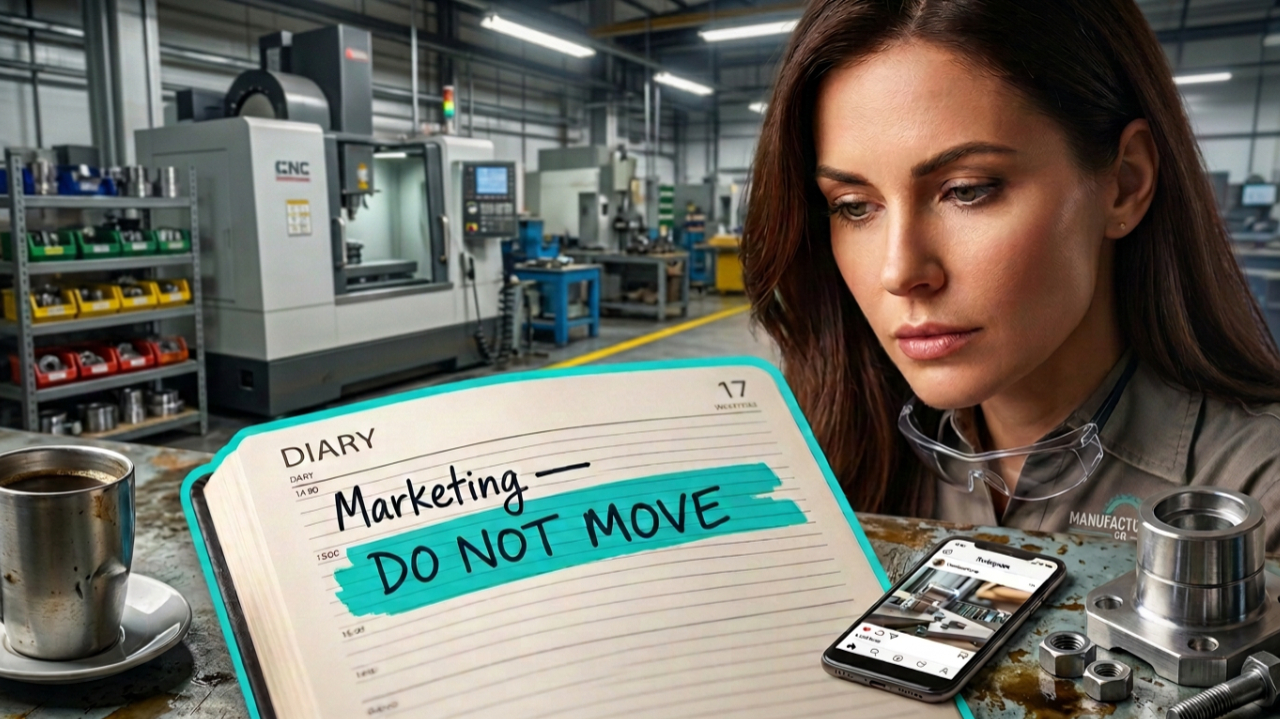
Picture your last senior management meeting. You are sitting at the head of the boardroom table. The faint but familiar hum of the factory floor is vibrating through the walls, reminding everyone why they are there. You put forward a new proposal for the upcoming quarter. Maybe it is a shift in production schedules or a new capital expenditure request. You look around the room and see a line of nodding heads. Everyone agrees. Harmony. It feels good, to be honest. But maybe it should feel terrifying.
When everyone agrees all the time, the unaddressed problems usually get louder in the background. I have seen this happen repeatedly in medium-sized manufacturing firms. You build a senior team over the years. You work together through economic downturns and supply chain crises. You trust them completely and they trust you. But somewhere along the line, familiarity breeds a quiet kind of compliance. The healthy challenge stops. Harmony looks positive on the surface, but it often hides incredibly weak decisions.
We need to talk about the yes-person. Or rather, we need to talk about the culture of yes-people, because these individuals rarely set out to be sycophants. They are usually good people trying to keep the peace and get through the week. But agreeable people are expensive. They let problems go unspoken. They let bad habits settle into the concrete of your factory floor. When you are running a manufacturing business turning over anywhere from a few hundred thousand to twenty-five million pounds, you simply cannot afford the luxury of a team that refuses to argue with you.
Let us properly define what a compliant leadership team actually looks like in practice. It is rarely a cartoonish room of terrified executives bowing to a tyrannical owner. It is much more subtle, and therefore much more dangerous. Agreement just becomes the default setting. The difficult, uncomfortable questions stop being asked because nobody wants to rock the boat.
I think we have all been in meetings where we knew a specific plan was flawed, but the emotional energy required to fight it felt entirely too high. So you stay quiet. You nod. You move on. You tell yourself it will probably be fine. That is how weak decision-making gets dressed up as teamwork.
The danger is that silence starts to feel normal. Once that happens, the business stops learning. If no one is challenging assumptions, then no one is testing whether the assumptions are actually true.
The operational consequences of this silence are severe, and they compound over time. Decisions slow down because nobody is pressure-testing ideas early in the process. Mistakes get repeated quarter after quarter. Missed improvement opportunities float by unnoticed. Accountability becomes incredibly weak because nobody wants to point the finger at a colleague they have known for a decade.
This is not just a culture issue. It is a raw profit and performance issue. A team that avoids challenge will almost always underperform a team that debates properly. Why? Because unchallenged plans tend to be less accurate, less realistic, and less resilient.
In manufacturing, that shows up in very direct ways:
The business may not see the damage immediately, but it will absolutely feel it over time.
Manufacturing and engineering firms are particularly vulnerable to this trap. Long-serving teams are incredibly common in these sectors. You do not see the same level of turnover you might find in a digital agency or a fast-moving software business. That stability is often a strength, but it can also create a dangerous comfort zone.
Technical confidence is naturally high. Your production director knows the machines inside out. Your operations manager has probably seen every type of fault imaginable. Your senior team knows how to make things work under pressure. But that same technical confidence can easily mutate into groupthink.
Operational routines create massive blind spots. You start hearing phrases like, “This is how we have always done it.” And that is a genuinely dangerous phrase when you are dealing with relentless margin pressure and tight delivery expectations. Familiarity can be useful. Familiarity can also make a business blind.
The longer a team works together without being challenged, the more likely it is that inefficiencies become accepted as normal. What should feel like a problem begins to feel like part of the background noise.
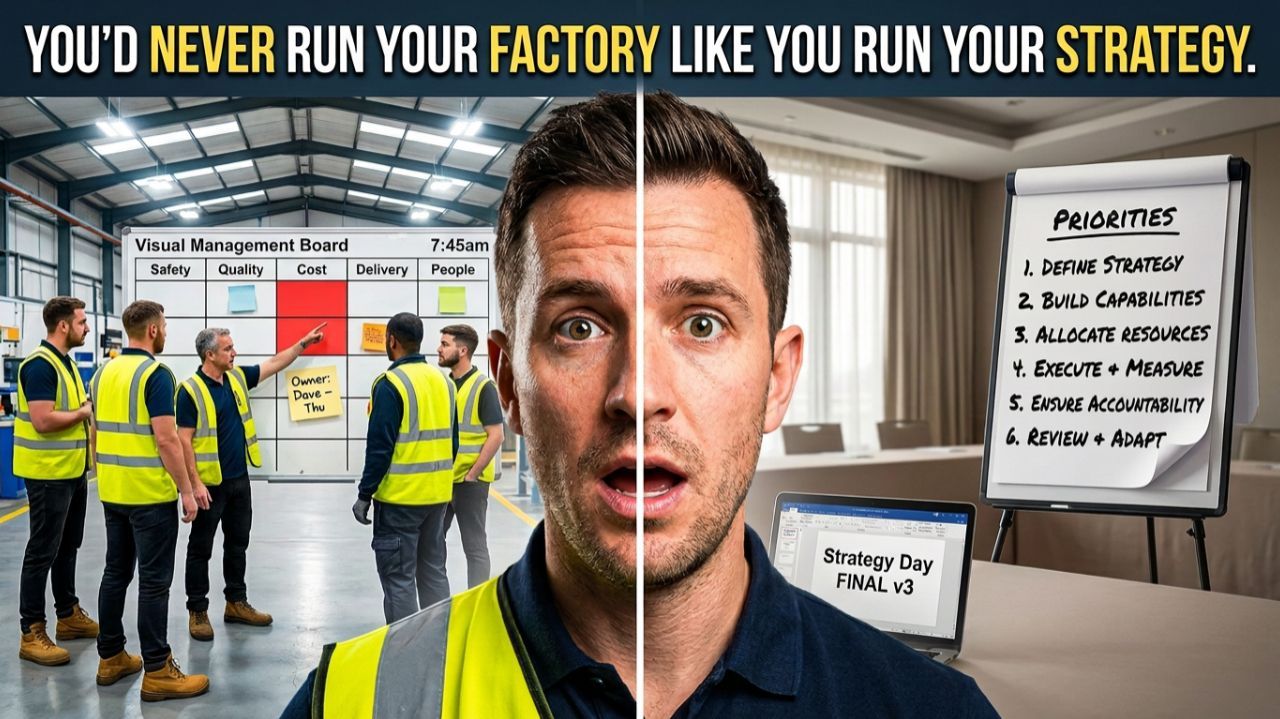
Just take a walk onto the factory floor and look closely. You will see hidden inefficiency everywhere once you start looking for it.
Machine downtime gets accepted as a normal part of the day. Scrap and rework are treated as inevitable costs of doing business rather than signs of process failure. Poor production scheduling is protected by long-standing habit. Inventory problems are disguised by constant firefighting and overtime. Someone in the sales team makes a promise that is completely disconnected from production reality, and the factory just absorbs the pain instead of pushing back.
Leadership blind spots always cascade into operational waste. That is the uncomfortable truth. A weak boardroom does not stay in the boardroom. It shows up in missed dispatches, exhausted supervisors, unhappy customers, and avoidable cost.
The scary part is that teams simply stop noticing what is no longer challenged. They walk past the same overflowing scrap bin every single day and do not even see it anymore. Once a problem becomes familiar, it becomes invisible.
So why do internal teams stop challenging the owner? It is rarely out of malice or laziness. It generally comes down to the complex psychology of deference and loyalty.
If you have built the company from the ground up, your team respects you. Maybe they respect you a little too much to be honest. There is a genuine fear of being seen as negative or disloyal. Nobody wants to be the person dragging the mood down when the managing director is visibly excited about a new machine purchase or a new client acquisition.
Long relationships make honest challenge feel deeply uncomfortable. If you have attended the weddings of your management team and watched their children grow up, it is incredibly hard to look them in the eye and tell them their department is underperforming. Owners can also unintentionally reward agreement. Think about your own behaviour for a moment. Do you smile and move the meeting along quickly when someone agrees with you? Do you get defensive or visibly irritated when someone points out a flaw in your logic?
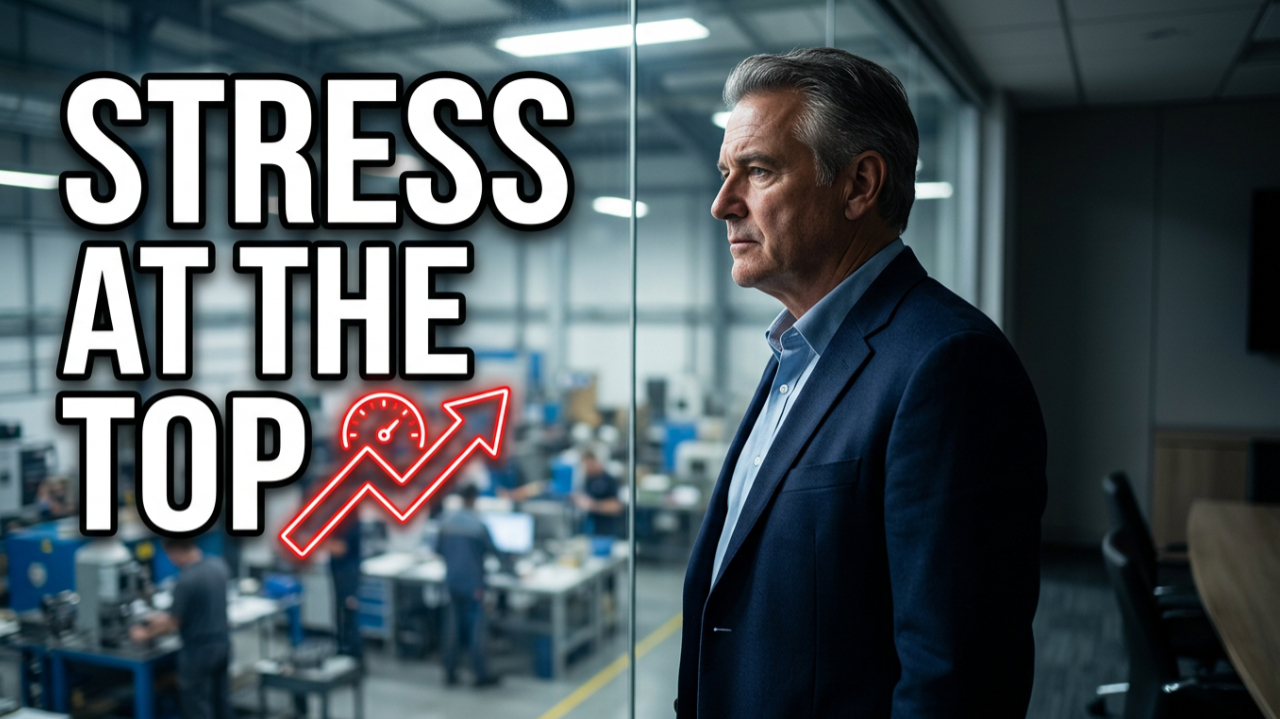
Silence is often a cultural signal rather than a lack of insight. Your team knows the problems exist. They just do not think you actually want to hear about them.
The Fractional NED Session: Board-level Counsel Without the Internal Politics
The 1-on-1 Strategic Sounding Board for Technical Founders and MDs. Click here!
This brings us to the concept of groupthink. It is a classic corporate buzzword, but the real business danger is very easy to understand. Groupthink narrows your perspective and creates a completely false sense of confidence in the boardroom.
It leads to rushed consensus and weak debate. You end up making poor strategic choices. You underinvest in the right areas and completely miss glaring warning signs that a competitor is stealing your market share. You might keep backing the wrong projects, the wrong people, or the wrong priorities simply because nobody has paused long enough to challenge the logic.
The danger here is not disagreement itself. The danger is the total absence of proper scrutiny. A business does not need constant conflict, but it does need honest friction.
A healthy boardroom should not feel like a warm bath. It should feel like a place where robust challenge is normal and entirely expected. There is a huge difference between friction and conflict. Conflict is personal, vindictive, and destructive. Friction is professional, objective, and absolutely necessary.
Think of friction as the grip on your tyres. Without it, you are just sliding off the road into a ditch. Constructive challenge does not weaken a team. It strengthens it. It forces everyone around the table to sharpen their arguments and find actual evidence.
In a mature management team, people should be asking difficult questions constantly:
Challenge is a sign of immense maturity in a business. It is not a sign of dysfunction.
How do you build a culture that welcomes this kind of challenge? It takes deliberate work. You have to offer practical steps for your leadership team to follow.
Start by using data much more rigorously in meetings. Gut feeling is great when you have decades of experience, but it needs to be backed up by hard numbers from the factory floor. If the numbers do not support the story, the story needs to be questioned.
You might also rotate the responsibility for challenging assumptions. Assign someone to play devil’s advocate on every major strategic decision. It sounds a bit formal, but it gives people explicit permission to be critical without looking like a troublemaker.
Most importantly, you must completely separate idea challenge from personal criticism. This is vital for success. If someone attacks a production plan, the production director cannot take it as a personal insult on their character. You have to make it genuinely safe to disagree.
This is a fundamental leadership discipline. It is not a personality trait you are born with. You have to train your team to argue well. You have to show them that surviving a tough debate makes the final decision infinitely stronger. When a team learns how to argue about ideas without destroying relationships, the entire business levels up.
This is exactly where the external non-executive director comes into the picture. Let us call them the NED for short. The external NED provides an independent perspective that is almost impossible to find inside your own ranks.
They are not tied to internal politics. They do not care about the history of how a specific process was developed ten years ago. They can ask difficult, awkward questions without carrying any of the emotional baggage that your internal team carries around every single day.
Their real value lies in testing assumptions and improving governance. They act as a professional disruptor. But I want to be very clear here: they are not a critic just for the sake of being critical. Good challenge is calm. It is evidence-based. It is highly constructive.
A good NED does not shout or demand changes. They simply hold up a mirror to the business and ask why.
What does good NED challenge look like in practice? Imagine a calm, steady voice in the room asking why you believe a certain manufacturing process is efficient. They might ask what the real root causes are behind a recurring maintenance issue that everyone else has just accepted as normal wear and tear.
They will ask which key performance indicator is actually telling the truth about your delivery times. They will ask what poor performance you are tolerating simply because it feels familiar and comfortable. They might ask why a process that creates regular overtime is still being defended as efficient.
These questions are not confrontational. They are useful. They expose weak assumptions very quickly. The aim is always better commercial outcomes. It is never about embarrassment or catching people out.
The benefits of this kind of boardroom friction are massive. Healthy challenge improves clarity and decision quality across the entire board. It uncovers hidden waste. It highlights wasteful routines and tightens up poor accountability.
The knock-on effects are exactly what you want to see in a growing manufacturing business:
Friction handled well is a powerful performance tool. It does not damage the business. It reveals where the business is already damaged.
When is an external NED the right move for your business? There are a few classic scenarios where external support is especially valuable.
Maybe your management team has been together too long, and the ideas have gone stale. Maybe the business is growing fast, but overall performance and profits are flattening out. Perhaps you, as the business owner, feel like you are carrying all the strategic thinking on your own shoulders and it is exhausting.
Operational issues might keep reappearing no matter how many times you think you have permanently fixed them. Or maybe big financial decisions are being made with far too little scrutiny and you are worried about the risk.
Bringing in a NED is often a major turning point for a business. It usually happens right before bigger issues emerge. Independent challenge is always most valuable before a crisis hits. You do not want to wait until the wheels fall off to start asking hard questions. You want someone testing the axles while the truck is still moving down the road.
We need to bring this back to the core idea. Comfort is incredibly expensive. Those nodding heads in your boardroom might make your life feel easier in the short term, but they are creating hidden costs that will eventually bleed your margins dry.
Manufacturing firms do not need people who just agree with the owner. They need people who will challenge the status quo. They need leaders who are willing to look at a process and say it is simply not good enough.
A well-placed NED can help your leadership team see exactly what familiarity has hidden from view. They break the endless cycle of groupthink and force everyone to raise their game. The strongest management teams are never the quietest ones. They are the ones willing to think harder together.
They embrace the friction because they know it leads to better engineering, better production, and ultimately better profits. You cannot fix what you refuse to acknowledge.
If you recognise these warning signs in your own boardroom, it may be time to shake things up. A structured fractional NED session can help uncover hidden potential in your business and ensure your team is fighting for the best ideas instead of just fighting to keep the peace.
Pay It Forward! Sharing Is Caring!