AI Copywriting – The Uncomfortable Comfortable Truth

Adam Payne • 19 August 2021

AI Copywriting vs Human Copywriting

Copywriting Artificial Intelligence (AI) vs Human Copywriting - Yes, it is here and is increasing.

Reading an article from 2019 it’s interesting to see Businesses adopting AI Copywriting Platforms over Human Copywriters.

From their tests the Artificial Intelligence Copy gets more response than that of the human. 🤔 (Undertaken in 2019 by Chase)

The test pitted human-written ad lines versus software-written ad lines to see which one got the most clicks.

Here's a couple of the headlines tested, which do you prefer?

  • Human Copywriter: Go paperless and earn $5 Cash Back.
  • AI Copywriter: LIMITED TIME OFFER: We’ll reward you with $5 Cash Back when you go paperless
  • Human Copywriter: Access Cash from the Equity in Your Home
  • AI Copywriter: It’s true—You can unlock cash from the equity in your home
The AI headlines received 2-5 times more hits that the Human equivalent. 😮

Our general thoughts on this was the AI copy was a bit cheesy, but is that exactly what people like, as this was the findings of the testing and from what others have said as well.

One thing you can't get away from, AI creates the content far quicker, does that necessarily mean quality, probably not, but will it learn and get there, Absolutely! (Only means you have tweak to get it right)

AI speeds the process up, getting good content, sales copy and or headlines out there to increase sales is a priority for businesses, AI has the upper hand here. 

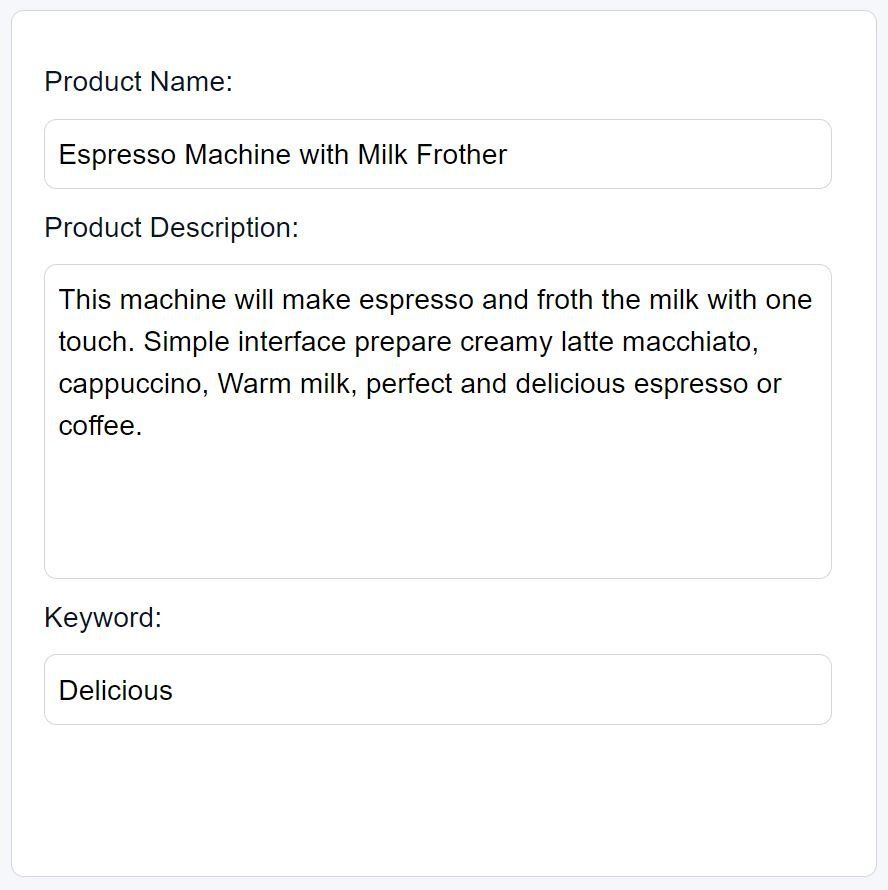
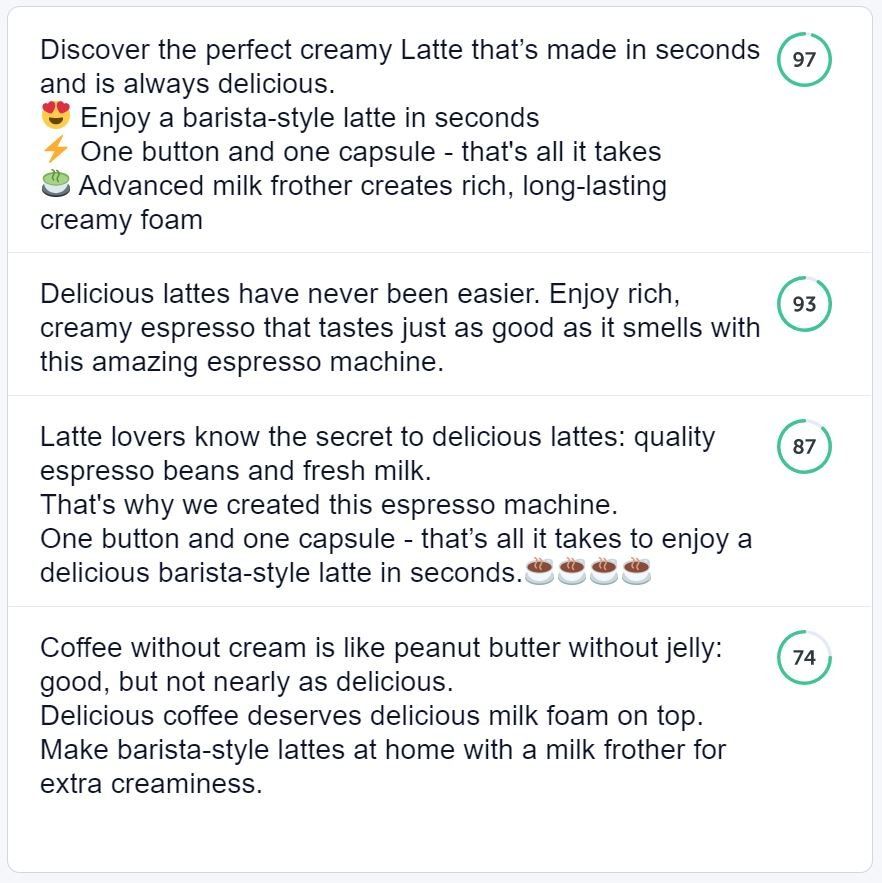
Here’s a look at Anyword’s example on their website

You complete their ‘Fill in the Blanks’ form click the button and bang! 
Anyword Fill in the Blanks Form

The Completed Result! What do you think, I don’t think it’s bad at all.
And to add, it’s inexpensive


Another area AI has the upper hand is in collecting and analysing data, ultimately churning out new ideas faster, skipping the brainstorming that normally would be undertaken from us humans. This is also helps regarding writer’s block, which is certainly a common theme for me personally 😁 .


Just by looking at the sheer number of AI copywriting platforms that have popped up you can see it’s not going away…


  • Anyword
  • CopyAI
  • CopySmith
  • Headline
  • Writesonic
  • SnazzyAI
  • Conversion AI
  • and many more


What does it mean? 


It means like in most things regarding Artificial Intelligence, both the Human and Machine must work together. 


Does this mean copywriters are to be replaced by AI, for me not yet, from what I've seen (only scratched the surface on this) they're good for mass messaging services, quickness, but deeper more detailed copy like blogs will need that human touch (at this current time).


But I have to add, if you’re in a business that needs to create sales copy and you’re not that creative, AI is an inexpensive way of achieving this, some of the platforms listed are $19/month (under £15/month) 😮👍


That's cheap to get some great ideas and some copy that potentially only requires a little tweak, and it will only get better.


PS: Don't forget if you need any support with your Marketing and Sales please do get in contact, we don't bite - Click Here
by New Way Growth • 30 September 2026
A quiet diagnostic exercise for MDs of UK medium sized manufacturers: list every decision you made last week, mark those that reached you through habit, history or a missing written rule, then note how long each one waited, to see how much critical knowledge runs through too few heads.
by Adam Payne • 25 September 2026
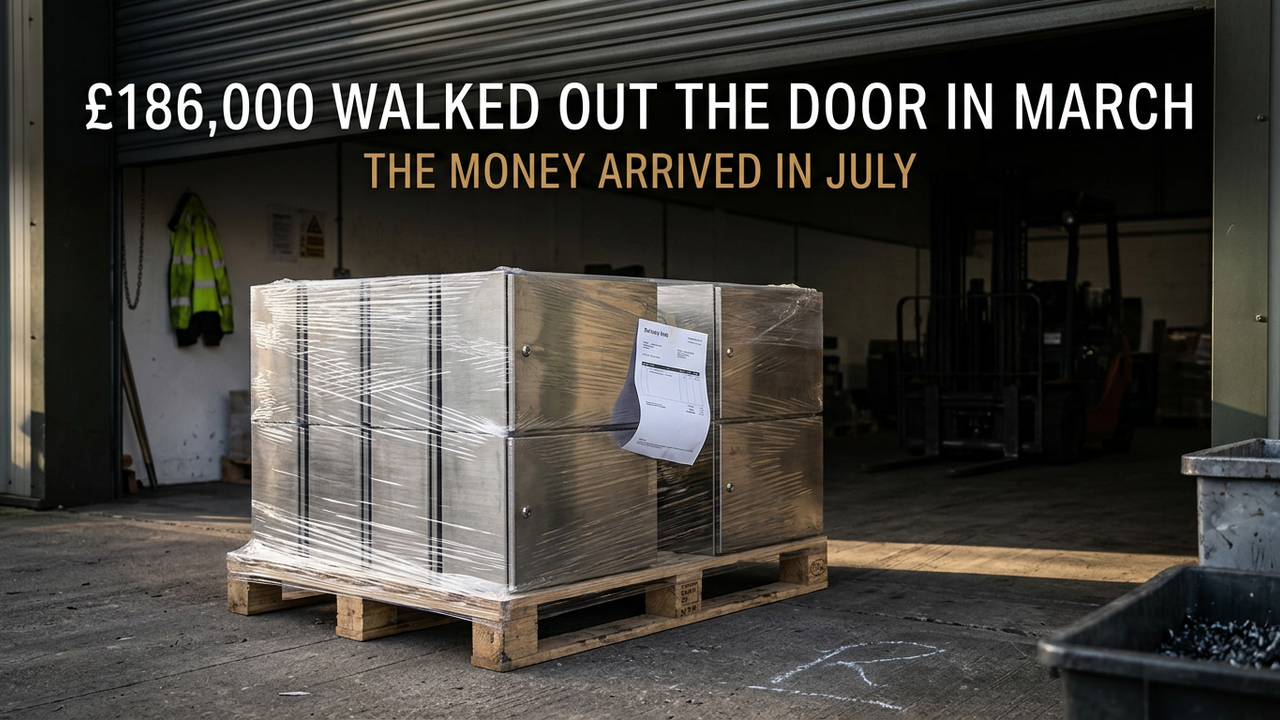
Follow one £186,000 UK manufacturing contract from quote to bank and see exactly where the margin goes: a discount agreed in the last five minutes, stale material prices, panels scrapped after a drawing revision, ten days of invoice drift, a bounced part number and five months funding someone else's business.
by Adam Payne • 17 September 2026
UK manufacturing growth numbers get committed in the boardroom, the bank, to a group MD or across the kitchen table, while the capacity, decision rights and reporting lines needed to deliver them are quietly assumed rather than built. A practical look at where that gap comes from and what closing it actually requires.
by Adam Payne • 9 September 2026
UK manufacturing firms stall at roughly £3m, £10m and £25m for structural reasons, not effort. This guide explains each growth ceiling, the warning signs (decisions queueing on the owner, revenue rising while margin flatlines, knowledge trapped in 3 or 4 heads), and the specific changes that break through each one.
by Adam Payne • 1 September 2026
How UK engineering, defence and confidential contract manufacturers build authority when NDAs, IP restrictions and export controls block the obvious approach.
by New Way Growth • 25 August 2026
A practical risk register for UK micro and medium manufacturers: ten marketing roadblocks, including capacity limits, late payment cash flow squeezes, key person dependency, platform changes and staff turnover, each paired with an early warning sign and a specific contingency to plan around before it derails growth.
by Adam Payne • 13 August 2026
For UK manufacturers, marketing stops and starts because of capacity, ownership and planning, not willpower. Here is a routine that survives busy months.
by Adam Payne • 5 August 2026
How UK manufacturers can turn "that's not my job" into lasting accountability using the PDCA cycle (Plan, Do, Check, Act) and a daily governance rhythm, explained with real shop floor examples.
by Adam Payne • 30 July 2026
KPIs are health metrics you track continuously, such as OEE, OTIF and scrap rate. OKRs are quarterly change goals with a start point and a finish point. UK manufacturers turning over £5m to £50m usually need trustworthy KPIs before OKRs will work at all.
by New Way Growth • 23 July 2026
Critical Success Factors are the 3 to 5 things that decide your manufacturing business's next 12 months. See how UK manufacturers can identify theirs for year to come.